In short: A heat pump and solar panels work best together when the heat pump and hot water run during the hours your panels produce, or when grid power is cheap, and the house stores that heat for later. Most systems cannot do this on their own because the heat pump does not know what the solar inverter is doing. A controller that talks to both closes that gap.
Why don't my heat pump and solar panels work together already?
Because they were never designed to talk to each other. Your inverter knows how much power the panels produce. Your heat pump knows the indoor and outdoor temperature. Neither knows what electricity costs right now or what the other device is doing.
The result is familiar to many owners:
- The heat pump heats at peak prices because it does not know power will be cheaper in two hours.
- Solar power is exported for very little in the middle of the day, then bought back at a higher price in the evening.
- You manage everything across separate apps, one per manufacturer.
How can a heat pump use more of my own solar power?
There are three practical ways, and they work best combined.
1. Heat your hot water when the sun is out
A hot water tank is one of the simplest energy stores in a house. Heating it in the sunny hours, instead of early morning, moves a daily load onto your own production.
2. Use the house as a thermal battery
Walls, floors and furniture hold heat. Raising the indoor temperature slightly while you have surplus solar or cheap power, then letting the house coast through expensive hours, shifts heating without making the house colder when you are home. We wrote a full breakdown in Saving energy costs by using your house as a thermal battery.
3. Combine solar with cheap grid hours
In northern Europe, solar production is lowest in winter, exactly when a heat pump works hardest. That is why solar alone is not the whole answer. With hourly or 15-minute electricity prices, the same logic applies to the grid: run the heat pump when power is cheapest, and avoid the price peaks.
How does a controller connect a heat pump and a solar inverter?
Most heat pumps and inverters already have a way to be controlled from outside. The common ones are:
- SG-Ready: an input found on many heat pumps that lets an external signal ask the heat pump to run normally, run more, or hold back.
- Modbus (TCP/IP or RTU): a widely used protocol for reading and controlling inverters, batteries and many heat pumps.
- OpenTherm: a protocol used by many heating systems and thermostats.
- OCPP: the standard protocol for EV chargers.
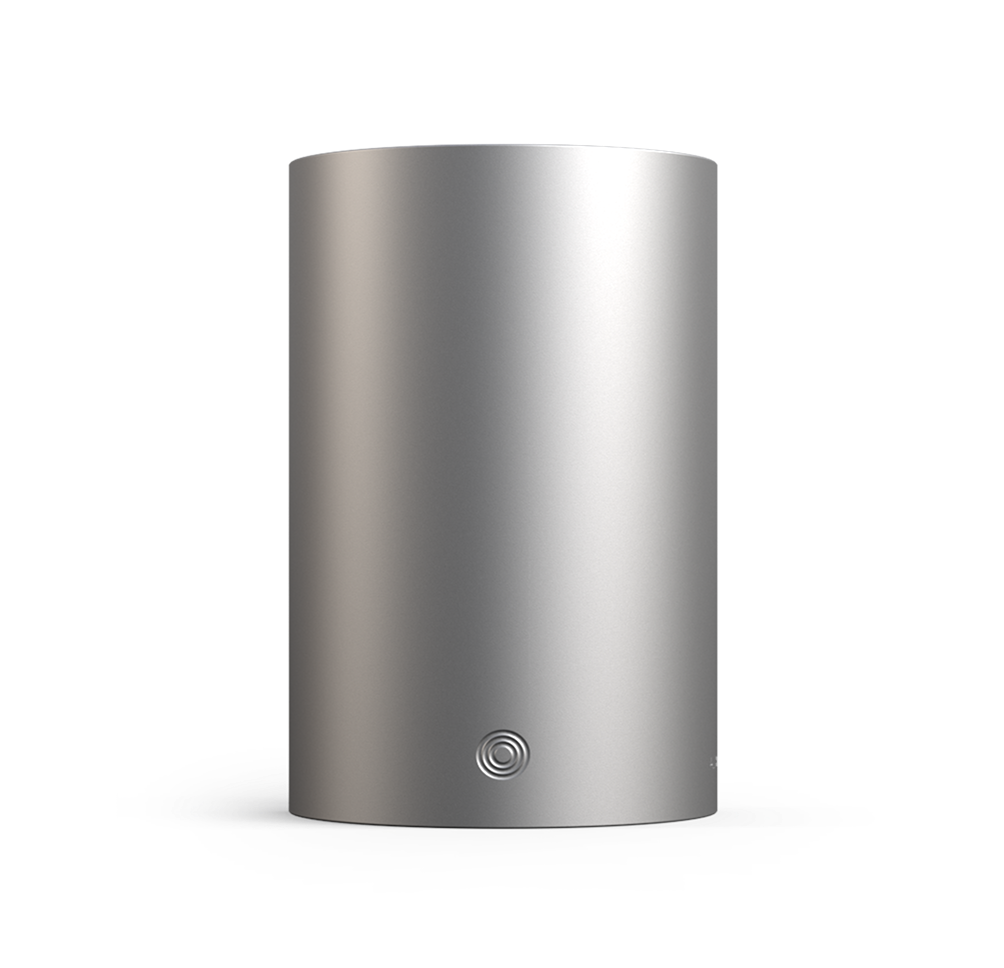
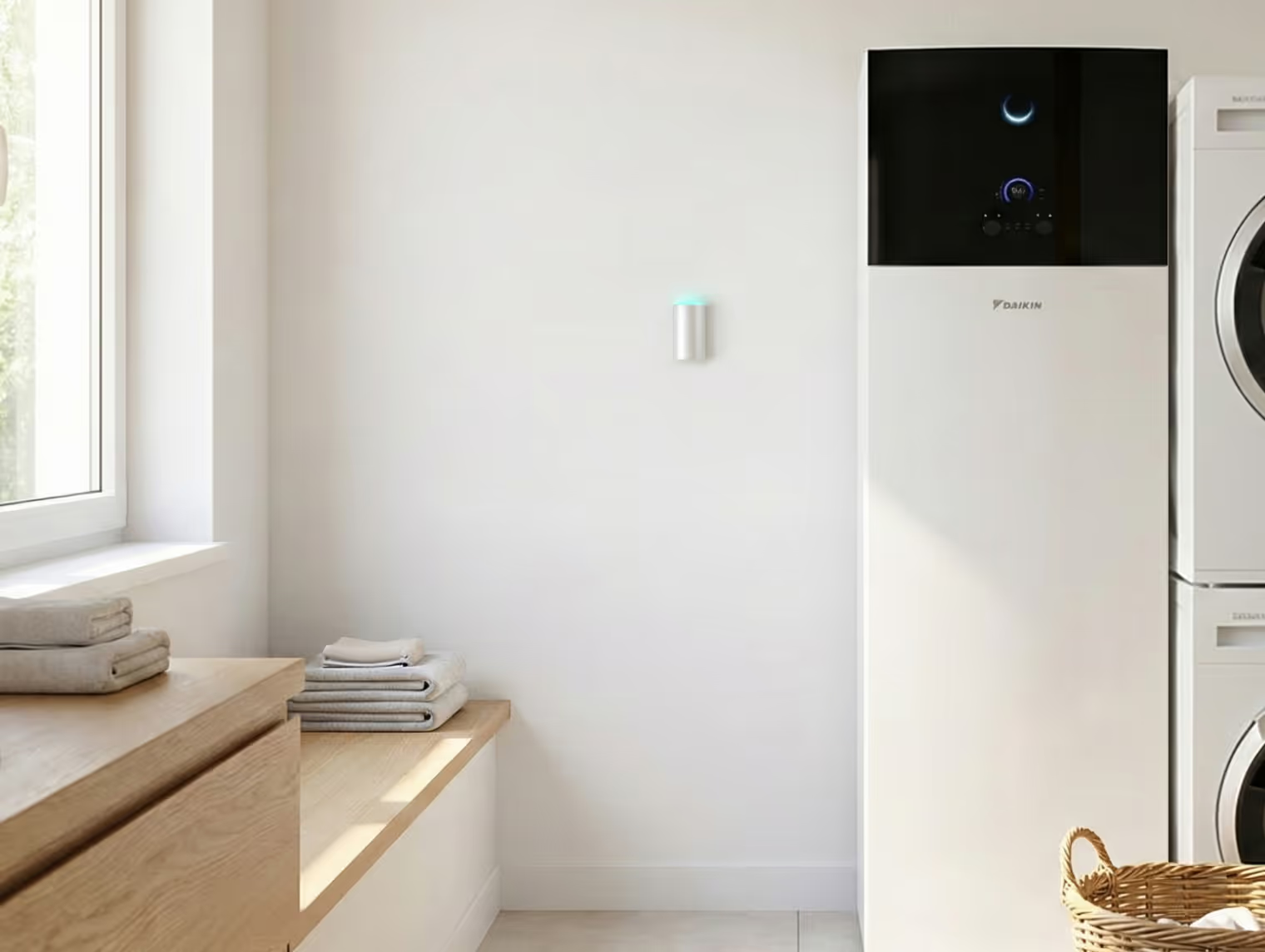
Alva Link supports all four. It reads what your panels produce and what power costs, and schedules the heat pump, hot water, battery and EV charger around it. Control runs locally, so devices keep running on schedule if the internet drops.
Will this work with my brands?
Alva Link works with more than 140 brands, including Daikin, Nibe, Panasonic, Huawei, Sungrow and Easee. But compatibility depends on the exact model and how it is connected, not just the brand. The number of Links a home needs also depends on the setup; for example, solar and battery on one hybrid inverter can share a Link.
The quickest way to know is to check your exact models on the Alva Link product page or ask us in chat.
Frequently asked questions
Can I run my heat pump on solar power alone?
Not all year in most of Europe. Solar produces most in summer, while a heat pump uses most energy in winter. Solar can cover a larger share in spring, summer and autumn, especially for hot water. In winter, timing the heat pump to cheaper grid hours matters more.
Do I need a home battery to use solar for heating?
No. Your hot water tank and the house itself already store heat. A battery adds flexibility, but shifting heating and hot water is the first step.
What is SG-Ready on a heat pump?
SG-Ready is a standard control input on many heat pumps. An external controller can use it to signal when energy is plentiful or cheap, so the heat pump runs more then and less at other times.
Does Alva Link work with Home Assistant?
Yes. Alva Link works with Home Assistant and Homey, and Matter support is planned.
When can I get Alva Link?
First deliveries are planned to start in Q4 2026. Join the Early Bird waitlist to get updates and first access.
Join the Alva Link Early Bird waitlist → Free to join, no card or deposit needed.